




How to Deal with Crystallized Honey

Crystallized honey is a natural, safe process where glucose separates from water, forming solid, spreadable crystals, often signaling raw, high-quality, unpasteurized honey. It is fully edible, maintains its flavor, and can be easily liquified by gently heating the container in warm water (104°F or less.)
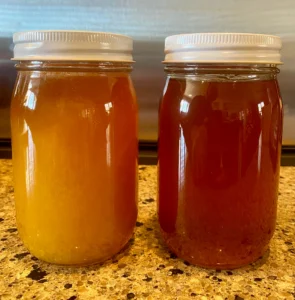
Why It Happens: Honey is a supersaturated mixture. Over time, glucose precipitates out, creating “seeds” that spread, especially in colder temperatures (below 50°F or 10°C) or with raw, unfiltered honey containing pollen.

Benefits: Crystallized honey is easier to spread on toast without dripping, less messy for baking, and often indicates that the honey has not been pasteurized or heavily filtered.

Decrystallizing Method for Glass Jars: To return your honey to a liquid state, place the honey jar in a pan or pot of hot—not boiling—water and stir until the crystals melt, ensuring not to overheat to preserve its natural properties.

Decrystallizing Method for Plastic Bottle: Tighten the cap on your plastic honey container and place it in a bag to prevent drips. Wrap the container with an electric heating pad and check back every 10 minutes until honey is liquified. Time to liquify depends on the size of the honey container. Be sure not to overheat the honey.
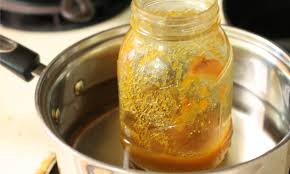
Prevention: To slow down crystallization, store honey in a tightly sealed container at room temperature rather than in the refrigerator, or keep it in a dark, dry place.

Duration: While some honey may stay liquid for years, others can begin to crystallize in just a few months. Almost all unheated, unfiltered honey crystallizes; some just crystallize sooner than others depending on the pollen source.


How you can attract bees

It isn’t difficult to make your yard, garden or even patio space a haven for beautiful beneficial bees. You will be helping these important insects, as well as bringing more nature to your back door.

The greater the plant diversity, the more bees you will attract and support. Always try to choose as many native plants as possible, and consult with nursery staff or other experts to find vegetation that will thrive in your specific conditions.

Here is a partial list of tried- and- true bee attractors:

Annuals: Asters, Marigolds, Sunflowers, Zinnias

Perennials: Clematis, Cosmos, Dahlias, Echinacea, English Ivy, Foxglove, Geraniums, Hollyhocks, Hyacinth, Roses, Sedum, Tansy

Garden Plants: Blackberries, Cantaloupe, Cucumbers, Gourds, Peppers, Pumpkins, Raspberries, Squash, Strawberries, Watermelons, Wild Garlic

Herbs: Bee Balm, Borage, Catnip, Cilantro, Fennel, Lavender, Mints, Rosemary, Sage, Thyme

Shrubs: Blueberry, Butterfly Bush, Honeysuckle, Indigo, Privet

Trees: Alder, American Holly, Basswood, Black Gum, Black Locust, Buckeyes, Catalpo, Eastern Redbud, Fruit Trees (especially Crab Apple), Golden Rain Tree, Hawthorns, Hazels, Linden, Magnolia, Maples, Mountain Ash, Sycamore, Tulip, Poplar, Willows

Bees are protected under Georgia Law

Excerpt from the website of the Ga. Dept. of Agriculture:
The Georgia Department of Agriculture supports and endorses agricultural activities across the state. Since nearly one-third of our food is the direct result of pollination by insects, honey bees are very important. In fact, more than 100 agricultural crops in the U. S. are pollinated by bees.

Although many people make a living from honey bees, most beekeepers have only a few hives and many reside in urban and suburban areas. The Georgia General Assembly recognizes the importance of honey bees – even in the urban and suburban environment – and has adopted several statutes to protect beekeepers. These statutes are:
O.C.G.A. §1-3-3, apiary products are included in the definition of “agriculture”,
O.C.G.A. §2-1-6, relates to local ordinances and production of agricultural farm products,
O.C.G.A. §2-14-41.1, local governments cannot prohibit beekeeping, and
O.C.G.A. §41-1-7, commonly called the Georgia “Right To Farm Law”.

Read more at http://agr.georgia.gov/honey-bees.aspx